Last to Get a Reply: What It Really Means When Your Partner Texts Everyone Else First
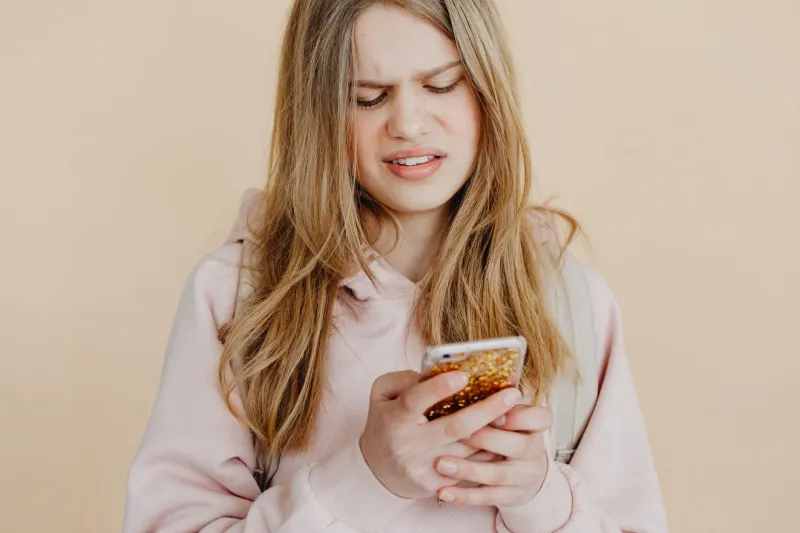
You sent a simple "hey, how's your day going?" at noon. By 2 PM, you've watched your partner post a TikTok, respond to a friend's Instagram story, and apparently have an entire group chat conversation about where to grab tacos on Friday. Your message? Still sitting there on delivered, quietly collecting dust.
It stings. And then the spiral starts — Am I being ignored? Are they bored with me? Is this a red flag I should've caught sooner?
Before you start rehearsing your confrontation speech, let's slow down. The psychology behind texting behavior in relationships is more nuanced than it looks, and jumping to conclusions can create a problem where there isn't one — or distract you from the real issue if there actually is.
Why Familiarity Breeds Slower Replies (No, Really)
Here's something that sounds counterintuitive but is backed by actual relationship psychology: the people we're most comfortable with often get our worst response times, not our best.
Think about it. When a coworker texts you, there's a social pressure to respond promptly — you don't want to seem rude or unprofessional. When a friend reaches out, there's a mild social contract at play. But your partner? Your partner isn't going anywhere. There's an unconscious assumption that they'll understand, that they're a safe space, that the relationship is secure enough to handle a delayed reply.
Psychologists sometimes call this "taking for granted" behavior, but that framing is a little harsh. A more generous read is that your partner feels safe enough with you to not perform attentiveness. The problem is that what feels like security to one person can feel like neglect to the other.
So if your partner is a slow texter with you specifically, it doesn't automatically mean they care less. It might actually mean they feel the most at ease with you. Cold comfort, maybe — but worth knowing.
When It's More Than Just Comfort
That said, not every slow reply has an innocent explanation. There are patterns worth paying attention to.
If your partner used to text you constantly and has recently pulled back, that shift matters more than the behavior in isolation. Changes in communication habits are often one of the earliest signs that something in the relationship dynamic has changed — whether that's stress, emotional distance, or something more serious.
Similarly, if your partner is consistently responsive to everyone else in real time but lets your messages pile up, it's fair to ask whether they're choosing to engage elsewhere rather than just being generally occupied. There's a difference between someone who's bad at texting and someone who's selectively bad at texting with you.
Other signals to watch for:
- They respond quickly to work contacts and friends, but take hours with you specifically
- Replies feel short and dismissive even when they do respond
- They never initiate texts anymore — you're always the one reaching out
- When you bring it up, they get defensive rather than curious
Any one of these alone isn't a verdict. But a cluster of them, especially if they're new behaviors, is worth a genuine conversation.
The Scorekeeping Trap
Here's where a lot of couples go sideways: they start keeping score.
You notice they replied to their mom in four minutes. You screenshot it. You bring it up later as evidence. Now you're not having a conversation about connection — you're presenting a legal case. And nobody feels loved or understood in a courtroom.
Scorekeeping also tends to escalate. You start timing your own replies to "send a message." They notice and pull back further. You both end up locked in a cold war that started over something as small as a text bubble.
The much harder, much more effective move is to just... say what you actually feel. Not "you always reply to everyone faster than me" (accusation), but "I've been feeling a little disconnected lately, and I miss hearing from you during the day" (vulnerability). One of those opens a door. The other slams it.
How to Actually Bring This Up
Timing matters. Don't ambush your partner mid-scroll or right when they walk in the door. Find a low-pressure moment — maybe on a walk, or just hanging out on the couch — and keep your opening light.
Try something like: "Hey, I know this might sound small, but I've been feeling like we don't really connect much during the day anymore. Can we figure out something that works for both of us?"
Notice what that does: it names your feeling without assigning blame, it acknowledges that their texting style might just be different from yours, and it invites collaboration instead of demanding change.
From there, you can actually design something together. Maybe it's a midday check-in text that's low-pressure — just a meme or a quick "thinking of you." Maybe it's agreeing that long conversations happen at home, not over text. Some couples do really well with a shared understanding that texts don't need immediate responses, as long as there's a rough window (like, within a couple hours during the workday).
The goal isn't to turn your partner into someone who texts like a teenager with a crush. It's to make sure both of you feel like a priority.
What This Is Really About
At the end of the day, texting is just the surface. The real question underneath all of this is: Do I feel like I matter to my partner?
That question deserves a real answer — not a surveillance report of their reply times. If you're feeling disconnected, that's worth exploring together. If your partner genuinely doesn't realize their texting habits are landing as indifference, they deserve the chance to know and to do something about it.
And if you raise it thoughtfully and they shrug it off? That tells you something too. Not about their texting, but about how much they value the way you feel.
Relationships aren't built in grand gestures. They're built — and sometimes quietly eroded — in the small, daily moments of attention. A text isn't just a text. It's a tiny signal that says I thought of you today. Make sure you're both sending that message, and actually receiving it.